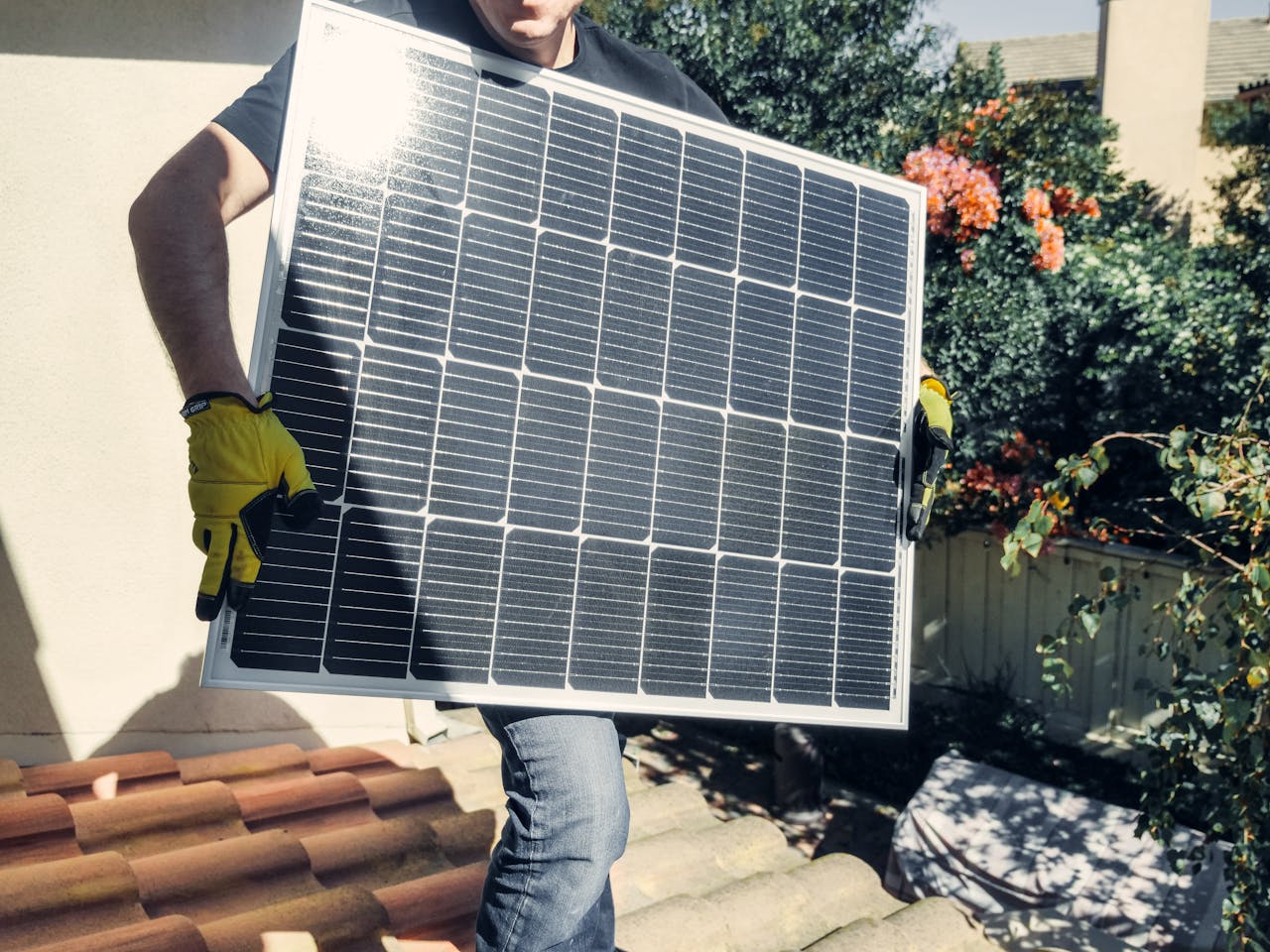
In recent years, the use of solar energy in residential settings has seen a significant surge. Homeowners are increasingly turning to solar panels as a sustainable solution to meet their energy needs, driven by both environmental consciousness and the desire to cut energy costs. This trend reflects a broader movement towards renewable energy sources, as more people recognise the benefits of harnessing the sun’s power.
However, to truly maximise the efficiency of solar energy, home batteries have emerged as an essential component. These energy storage solutions allow households to store excess electricity generated by their solar panels, ensuring that no energy goes to waste. By having a reliable store of solar power, homeowners can access this clean energy even during the night or on overcast days when solar generation is low.
The combination of solar panels and home batteries creates a powerful synergy, significantly reducing dependence on the traditional power grid. This not only promotes energy independence but also provides a safeguard against rising energy costs and grid outages. Together, they represent a forward-thinking approach to achieving both economic savings and a sustainable energy future.
Understanding Home Batteries
Home batteries are energy storage systems designed to store electricity for later use. These batteries store excess power generated by your solar panels during the day, allowing you to utilise this stored energy when the sun isn’t shining, such as during the night or on cloudy days. Essentially, home batteries enable households to optimise their solar energy usage by ensuring no excess electricity is wasted, thus enhancing overall energy efficiency.
There are several types of home batteries available on the market, each with its unique characteristics. The most common type is the lithium-ion battery, known for its high energy density, long lifespan, and efficient performance. Lithium-ion batteries are favoured for their ability to store a large amount of energy in a relatively small space and their ability to undergo many charge and discharge cycles without significant degradation.
Another type is the lead-acid battery, which has been in use for many years. Although generally larger and heavier than their lithium-ion counterparts, lead-acid batteries are more cost-effective upfront. They are typically used in scenarios where budget constraints are a significant consideration, although they may require more maintenance over time.
Integrating home batteries with solar panel systems offers numerous benefits. Firstly, they provide energy security by ensuring your home has a backup power source in case of grid outages. This integration also maximises the return on investment from your solar panels, as the stored energy can be used rather than being fed back to the grid or wasted. Furthermore, by reducing reliance on the grid, home batteries can lead to greater energy independence and more predictable energy costs, empowering homeowners to manage their energy consumption more effectively.
Energy Storage and Efficiency
Home batteries play a pivotal role in storing excess solar electricity generated throughout the day. When solar panels produce more electricity than a household can immediately use, this surplus energy can be stored in home batteries rather than being fed back into the grid. This capability allows homeowners to capture and retain clean energy for later use, ensuring that it remains available when solar production is low.
The stored energy in home batteries is particularly beneficial during the evenings and on cloudy days when sunlight is insufficient to power a home directly. By tapping into the energy reserves stored in the batteries, households can maintain a steady supply of electricity without the need to draw from the grid. This ensures a consistent and reliable energy supply, enhancing the overall resilience of a home’s energy system.
The use of home batteries significantly boosts energy efficiency by reducing the wastage of generated solar power. Instead of allowing excess energy to go unused or be sold back to the grid at lower rates, homeowners can utilise their stored power, maximising the value of their solar investment. This not only translates into cost savings but also aligns with sustainable energy practices by minimising reliance on non-renewable energy sources. Through efficient energy storage solutions, home batteries help create a more sustainable and economically sound energy future for homeowners.
Reducing Grid Dependence
Home batteries play a critical role in reducing reliance on the traditional power grid. By storing surplus solar energy generated during the day, these batteries enable households to use their own renewable energy rather than drawing power from the grid. This not only enhances energy autonomy but also offers a buffer against fluctuating electricity prices and grid vulnerabilities.
Achieving energy independence is one of the major benefits of integrating home batteries with solar systems. With a reliable store of energy at their disposal, homeowners can power their homes even during grid outages, ensuring continued operation of essential devices and appliances. This independence provides peace of mind, knowing that one’s energy supply is secure and less exposed to external disruptions.
Economically, reducing grid consumption through the use of home batteries translates into significant savings. By maximising the use of stored solar energy, households can lower their electricity bills, avoiding peak pricing and benefiting from the long-term cost-effectiveness of renewable energy. This reduction in reliance on the grid also means less exposure to rising energy costs, providing a stable and predictable energy expenditure.
Ultimately, home batteries not only support the transition to a more sustainable energy system but also offer tangible economic benefits by minimising grid dependence and enhancing household energy resilience.
Environmental Benefits
Maximising solar energy usage through effective storage has a significant positive impact on the environment. Home batteries enable households to make full use of the solar energy they generate, ensuring that no renewable power goes to waste. This efficient utilisation of solar energy contributes to a reduction in the overall demand for electricity from fossil fuel-based power plants, thereby decreasing harmful emissions and lessening the carbon footprint of energy consumption.
By reducing reliance on fossil fuels, home batteries play a pivotal role in steering us towards a more sustainable energy future. Every kilowatt-hour of solar power used displaces a kilowatt-hour of energy that might have been generated by coal, gas, or oil, thereby contributing to cleaner air and helping to mitigate climate change. This shift not only benefits the environment but also supports long-term ecological balance by preserving natural resources.
Furthermore, home batteries are crucial in supporting the wider adoption of renewable energy solutions. By demonstrating that solar energy can be stored and used efficiently, home batteries address one of the key challenges in the renewable energy sector: the intermittent nature of solar power. This capability encourages more households to invest in solar technologies, fostering a collective movement towards renewable energy systems and enhancing the overall resilience of the energy grid.
In this way, home batteries not only benefit individual homeowners but also contribute to a broader environmental goal—supporting the transition to a renewable energy-driven world.
Financial Considerations
Investing in home batteries involves upfront costs that can vary depending on the type and capacity of the system chosen. While the initial investment may appear substantial, it’s important to consider the potential financial returns and long-term benefits that home batteries can offer. Over time, the savings on electricity bills and the increased efficiency of solar energy usage can help offset these initial expenses.
Many governments and local authorities offer incentives or subsidies to encourage the adoption of renewable energy technologies, including home batteries. These can take the form of tax credits, rebates, or grants that reduce the overall cost of installation. Homeowners should research available incentives in their area, as these can significantly lower the financial barrier to adopting home battery systems.
In terms of long-term savings, home batteries provide a solid return on investment. By utilising stored solar energy, homeowners can reduce their reliance on the grid, leading to lower electricity bills. Additionally, by avoiding peak energy prices and potential future increases in energy costs, home batteries offer a degree of financial predictability and stability.
Overall, while the upfront costs are a consideration, the combination of available incentives and the long-term financial benefits make home batteries a smart investment for those looking to maximise their solar energy use and achieve greater energy independence.
Challenges and Solutions
Integrating home batteries with existing solar systems can present a few challenges that homeowners should be aware of. One primary challenge is ensuring compatibility between the existing solar setup and the new battery system. Not all solar systems are designed with battery integration in mind, so there might be technical adjustments required, such as upgrading the inverter or ensuring the system’s capacity aligns with energy storage needs.
Space and installation considerations are also important factors. Home batteries can require a dedicated space for installation, which should be well-ventilated and protected from extreme weather conditions. For some homeowners, finding a suitable location may require modifications to their home infrastructure or considering compact battery options.
To overcome these challenges, engaging with a qualified installer or a renewable energy consultant can be invaluable. They can assess your current system, recommend compatible battery options, and advise on whether any upgrades are needed to maximise efficiency. Additionally, considering battery systems with modular designs can offer flexibility, allowing you to start with a smaller capacity and expand as needed.
When choosing the right battery solution, consider factors such as battery type, capacity, lifespan, and warranty. It’s also helpful to review performance reviews and ratings to ensure the reliability of the product. By doing thorough research and consulting with professionals, homeowners can effectively navigate these challenges and successfully integrate home batteries into their solar energy systems.
Conclusion
Combining solar panels with home batteries offers a myriad of benefits, creating a smart and sustainable energy solution for homeowners. This synergy not only maximises the efficiency of solar energy by storing excess power for later use but also significantly reduces reliance on the traditional power grid. Homeowners can enjoy greater energy independence, protection against outages, and potential savings on energy bills. This integration supports environmental goals, contributing to a reduction in fossil fuel dependency and paving the way for a sustainable energy future.
For homeowners looking to enhance their energy efficiency and sustainability, investing in home batteries is a forward-thinking choice. By making the most of renewable energy, you can secure a stable and economical energy supply for years to come.
We encourage you to contact Ronnan Corporation to learn more about our home battery options and discover how we can help you transition to a more efficient and sustainable energy solution. Our experts are ready to guide you through the process, ensuring you choose the best system to meet your needs and maximise your solar investment.